Inside you’ll find: An explanation of tactile defensiveness and how the brain get along with your child’s body, all while finding the perfect sock so you can get out the door!
I swear I spend 10% of my waking hours trying to get my kids shoes on!
My boys are highly distractable.
They misplace their shoes every. single. time. (Ok, occasionally the dog is at fault for hiding them somewhere or turning their sneakers into chew toys!)
And then there’s the sock nightmare.
It has to be their favorite type, and it has to be put on just so. No bunching, now coarse fabric, nothing tight. And seams. UGH!
When we’re in a rush, I find it hard to keep my cool when readjusting their socks for the 8th time.
But now I’ve learned about sensory processing and it’s all starting to make sense (and I’m slightly more patient.)
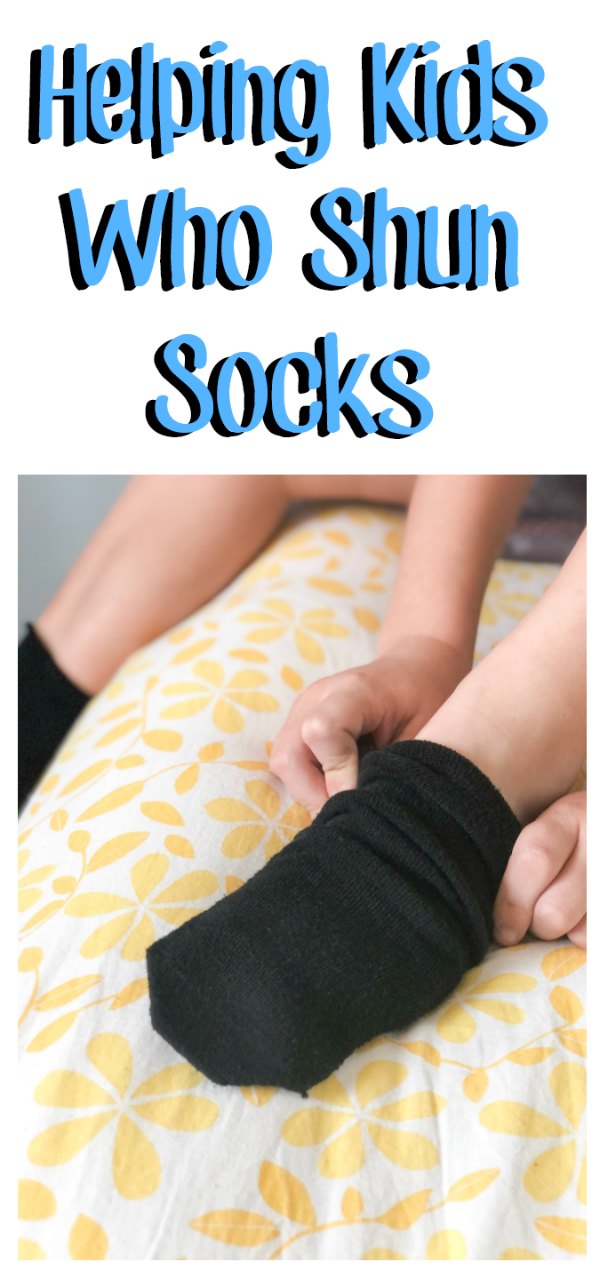
A big thanks to SmartKnitKIDS for sponsoring this post!
It might not seem like it, but tactile input is closely tied to the brain.
The brain is constantly getting input from all sorts of sensory systems (not just via the skin) and it has to decide if those sensations deserve attention.
For some kids, their brain is under-receptive to tactile input, so the sensations get lost in the shuffle. This causes them to seek out the touch they need and crave. They’re often the ones that love to get messy, or run their hands along everything while they walk.
For other kids, the brain is especially sensitive to tactile input and simply can’t focus on anything else because that one spot on their skin is screaming for attention, often triggering the fight or flight reaction. If your child reacts with a fight or flight response to clothing, sensory issues may be at play. Tactile defensiveness results from an over-sensitivity to touch.
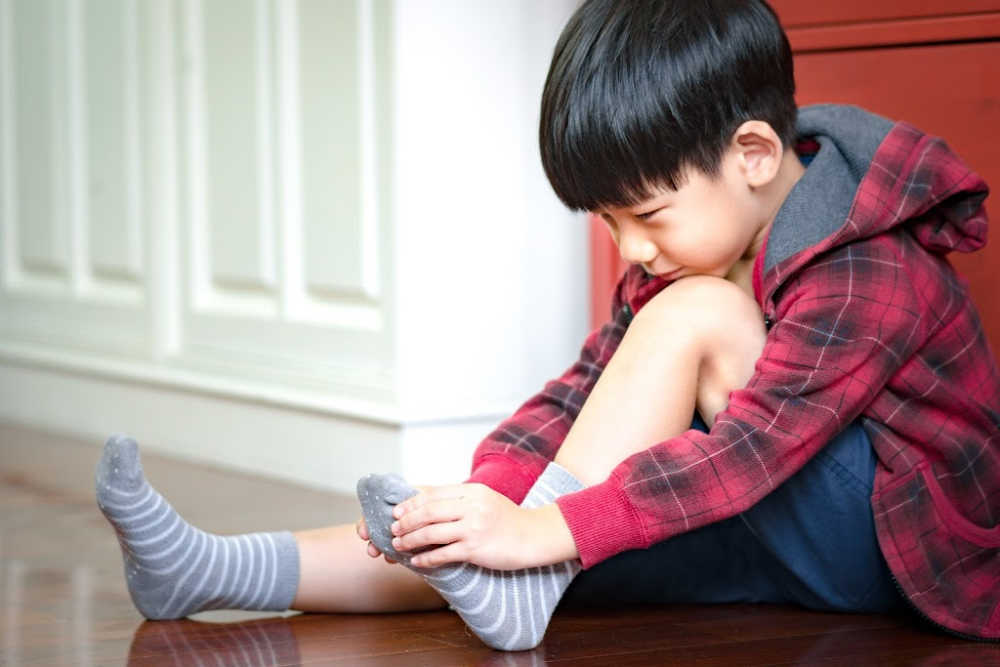
If the child has sensory processing disorder, their brains struggle to filter pertinent information from input that should be ignored.
Imagine ALWAYS being acutely aware of the feel of your clothing, to the point that you can’t focus on anything else, there’s just too many signals coming in!
How to Help a Child with Tactile Defensiveness
Proprioception
Proprioception is the input that is received from the joints and ligaments of the body. It creates body awareness and thrives on weight and heavy work.
Common proprioceptive activities include:
> Jumping
> Climbing
> Pushing
> Pulling
> Weighted blankets
> Big hugs
Something about our bodies craves this proprioceptive input, and when we get it, it’s like our brain can handle whatever life throws at it, including textures and touch! Proprioception is the great sensory regulator.
Wilbarger Brushing
Occupational therapists have a go-to technique called Wilbarger brushing that can do wonders for kids with all kinds of sensory issues.
The basic idea is to brush the skin (with these Sensory Brushes) to reduce defensiveness and give tons of beneficial proprioceptive input. Proprioception can help the brain regulate and sort through input all. day. long. This technique also reduces tactile sensitivity and sensory defensiveness in general.
Watch how to do this simple technique.
Simply Avoid the Battle
First of all, we as parents need to remember that socks are rarely an emergency. If your child can wear sandals, slippers, or simply go sockless, let them! Don’t deplete your child’s tolerance by requiring them to wear something that drains them.
Secondly, when your kiddo really does need to wear socks, find comfy ones.
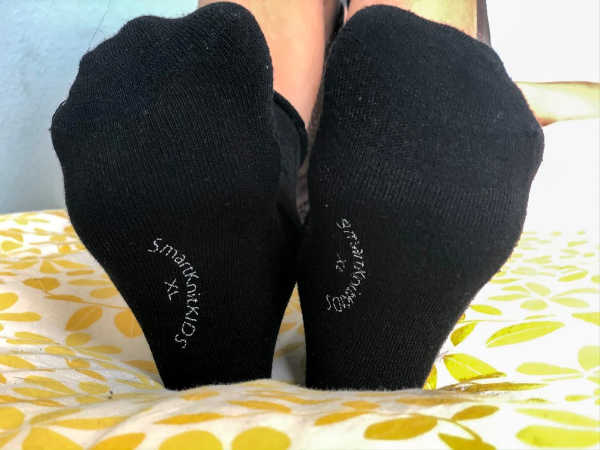
Thankfully, companies like SmartKnitKIDS create clothing with tactile defensiveness in mind!
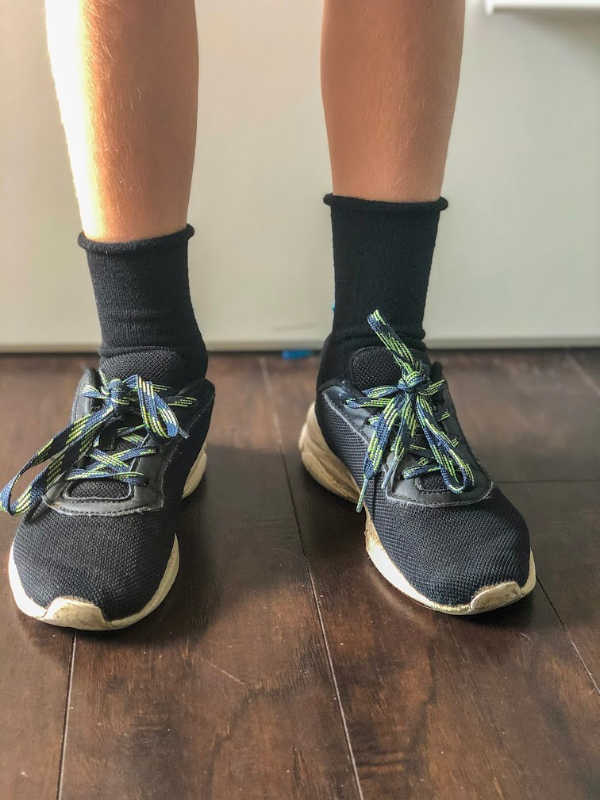
My son will dig through ALL of his socks to find his pair of SmartKnits. (In fact, he wears them day after day because I’m not winning any laundry awards!)

These socks are truly seamless, and don’t even have a distinct heel, so kids can put them on with out all the adjustments. They hug without being too tight so as to prevent bunching. And the material is fabulous! I will admit, I steal these from my son all the time. I hate when the fabric of my socks make lines in my feet after wearing them, but these don’t! (Remember, everyone has sensory needs, even if they don’t cause meltdowns!)
So if your child struggles with tactile sensitivity, try to consistently do proprioceptive activities and make adjustments to their clothing preferences.
Julie is a frazzled mom of three tornadoes. As a dorky second-generation homeschooler, she writes about learning and play, natural living, special needs parenting and matters of the heart. She serves an astounding God that radically saved her.
Follow My Mundane and Miraculous Life through social media!





Leave a Reply